When homeowners start planning a home gym, one of the first questions is: where will it go? Do you use the basement? Convert the garage? Or build something new?
All three can work. But they don’t feel the same once you’re living with them. The right choice comes down to how you want the space to function day to day, not just where you can fit it.
Quick Answer: Which Space Is Best?
If you want the super short version:
- Garage works best for simple, functional setups
- Basement is the most efficient way to create a dedicated space
- Addition gives you the best overall experience
The longer answer: it’s about the tradeoffs in each option. Let’s dive into each one in more detail, so you can see the bigger picture.
Related Content: Home Gym, Home Spa, or Both? How Homeowners Decide
Basement vs Garage vs Addition: What’s the Difference?
Garage: The Most Common Starting Point
For a lot of homeowners, the garage is where the idea of a home gym begins. The space is already there, it’s easy to access, and you can get something set up quickly.
Garages also handle wear well. Concrete floors, open layouts, and easy ventilation make them a natural fit for heavier equipment and more rugged use.
The major tradeoff is comfort and convenience. In a Minnesota climate, garages run hot in the summer and cold in the winter unless you invest in insulation and HVAC upgrades. Even then, they often feel separate from the rest of the home.
And, of course, there’s the obvious tradeoff: if you’re using your garage as a gym, that means you can’t park your cars there.
A garage gym prioritizes function over experience.
Basement: Functional, but Often a Compromise
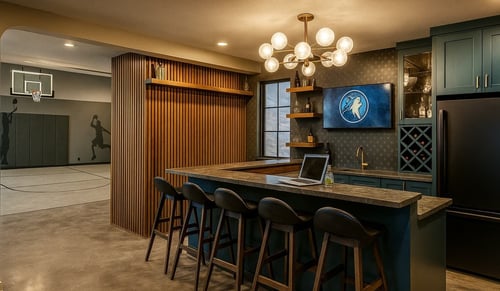
With a basement gym, you get separation from the main living areas, but still more connected to the rest of the house. That makes it easier to build a routine around.
But basements come with their own limitations. Natural light is limited. Ceiling height can restrict certain equipment. And without thoughtful design, the space can feel closed in. Like with converting a garage, you also lose out on the space. If you want to build a custom home gym area, that will take over the entire basement space.
It’s a step up from the garage in terms of comfort, but it still requires intentional design to feel like more than a converted space.
Addition: Designed Around the Experience
An addition gives you something the other options don’t: control.
Instead of adapting an existing space, you’re building around how you actually want to use the gym. That changes everything from ceiling height to window placement to how the rooms connect to the rest of the home.
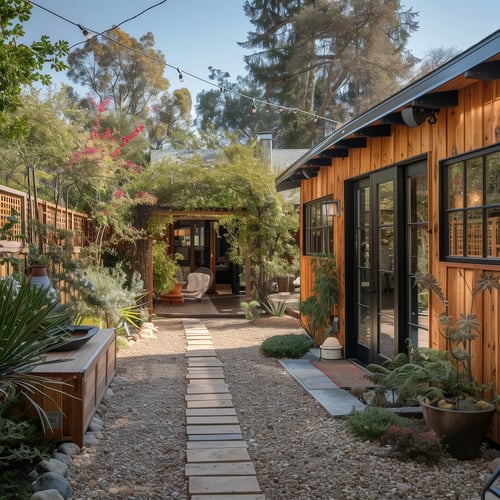
Natural light, airflow, and layout become part of the plan from the start. The space can open to a backyard, sit near a bathroom or sauna, or flow naturally from other areas of the home.
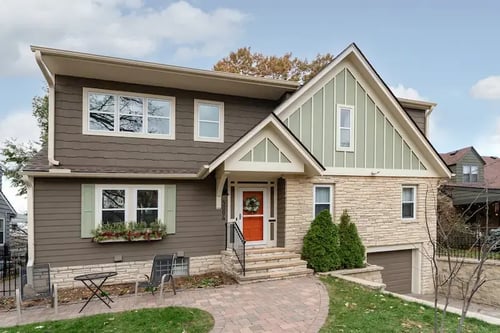
It’s also the only option that consistently feels integrated: not like a converted room.
It does require more investment and planning. But for homeowners who want a long-term space that feels as good as it functions, it’s usually the direction they choose.
What Most People Overlook
Most home gyms start with the same question: Where can we fit this?
The problem is, when you start there, the space is already defined. Ceiling height, lighting, layout, and flow are all predetermined. You’re working around limitations instead of building something that actually supports how you want to train.
That’s how you end up with a space that technically works, but never quite feels right.
The better starting point is different: What do you want out of the experience?
Do you want a quiet, private place to focus?
Space for recovery, stretching, or even a sauna?
A layout that flows with the rest of your home?
A flexible workout area with equipment storage?
An on-site bathroom?
A place for protein, drinks, snacks, and food?
Once you answer that, the right location becomes clearer.
In some cases, a basement or garage can absolutely deliver what you need with the right design. In others, those spaces will always feel like a compromise, no matter how much you put into them.
The difference is whether the space was built around your routine, or forced to fit inside it.
Related Content: Home Gym and Wellness Retreat Ideas to Steal
So, What’s the Right Choice?
- A garage makes sense when you want something quick and functional, for now
- A basement works when you want a more dedicated space, and don’t need your basement space for other functions
- An addition is the right move when you want the space to feel fully thought through and part of the home
The location matters. But it’s not the only thing that determines whether a home gym actually gets used.
The best home gyms start with how you want to use the space.
At Titus, that’s where the process begins. Not with equipment lists or layouts, but with how the space should feel once it’s part of your routine.
Explore our projects or connect with our team to start planning your space.
Titus Contracting is a full-service remodeling company offering commercial and residential construction. We have an office in Burnsville, Minnesota and work throughout the Twin Cities.