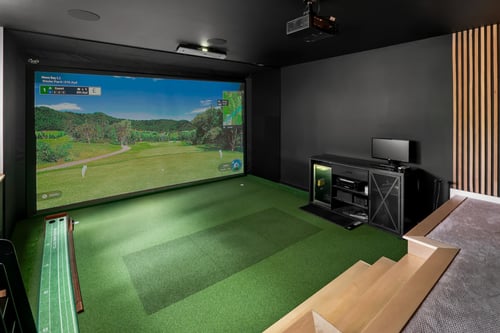
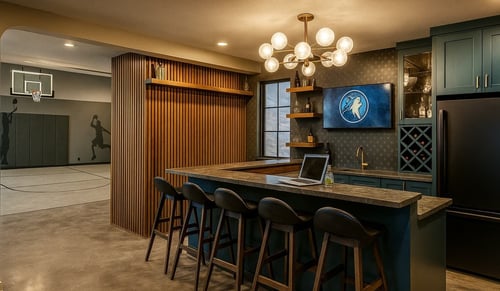
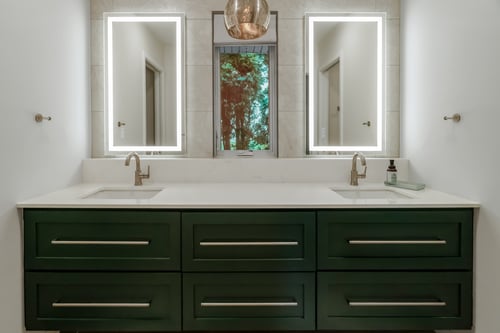
A finished basement presents a huge opportunity for customization. If you’re like most Minnesota homeowners, you want your basement to serve multiple purposes. But a multi-use space can quickly devolve into a “space where we just stash everything we don’t know where else to put.”
The key to a flex-use basement that doesn’t feel chaotic is a smart design.
Let’s explore how you can create a basement that works for the whole family, now and in the future.
Creating a Multifunctional Basement
1. Planning is Key
Planning is critical for any home remodeling project. Your basement is no exception - it’s absolutely the first and most important step.
During the planning stage, you want to consider all the potential uses for your basement. This can include, but isn’t limited to:
- A guest bedroom
- Additional bathroom
- Home theater
- Hangout/gaming area
- Home office
- Workout room
- Craft room
- Wine cellar
- Children’s playroom
After deciding all your possible uses, organize them from most important to least important. This will help you later in the process to determine how the space is divided up. An experienced designer will help you determine what’s realistically possible with the space you have - and also give you tips on how you can double-up. For example, one room could be transformed into a spare bedroom, home library, and home office all-in-one with the right design.
Related Content: 12 Types of Specialty Rooms to Consider for Your Basement
2. Zoning to Create Separate Areas
Creating dedicated zones within your basement is vital for a flex-use space. You can create zones by creating fully walled and doored rooms, or have an open-concept area that utilizes half-walls, dividers and other tricks to physically draw a distinction between spaces. Sometimes, a transition from one flooring to another helps create a dedicated zone. Furniture placement can also help create distinct zones, without feeling cramped.
You want your basement to transition between zones while also keeping distinct areas. This helps elevate your multi-use basement from a chaotic mess to a functional space. Not sure where to start? Contact our interior designers for a free, no-obligation quote.
3. Storage, Storage and More Storage
Smart storage will help your basement serve multiple purposes without creating a big mess. The secret to any multifunctional area is a lack of clutter. Integrated shelving - whether it be open shelves above a wet bar or seamlessly integrated built-ins around a fireplace - provides ample storage so that a room can be shifted from one mode to another.
Modular shelving can also double as effective room dividers. Open shelving creates a place to stash items and decor, without impeding light flow. While solid shelving can create a more distinct barrier that still feels more open than a closed-off room.
A well-designed multifunctional basement can add tremendous value, comfort, and usability to your home. Transform your basement into a space that adapts with your family’s changing needs. Whether you’re working, relaxing, entertaining, or just looking for a quiet escape, a flex-use basement ensures every square foot works hard for you.
We’re finding many homeowners want a basement with spaces that can be used for different purposes instead of a catch-all room, and they want to experiment and have fun with their decor. Want to start your basement remodel project? Our team of design-build experts are here to help. Call for a design consultation today at 952-746-7817 or contact us online for a project estimate.
Interested in adding a specialty room to your home? Our team of design-build experts are here to help. Call for a design consultation today at 952-746-7817 or contact us online for a project estimate.
 Free Home Remodeling Guide:
Interior Designer, Architect, or Contractor: What's the Difference and Why it Matters
If you’re planning a home renovation, you’ll need a licensed contractor in your corner.
Someone to bring your plans to life, handle necessary permits, and ensure everything’s up to code.
But do you need an interior designer for a home remodel?
What types of building projects require an architect?
Learn more about the role of a general contractor and what you can expect.
Get the Guide
Titus Contracting is a full-service remodeling company offering commercial and residential construction. We have an office in Burnsville, Minnesota and work throughout the Twin Cities.