If you're exploring ways to add living space to your property, you've likely come across the terms accessory dwelling unit (ADU) and guest house. While the two are often used interchangeably, they are not always the same thing.
The biggest difference comes down to functionality. An accessory dwelling unit is designed to function as an independent living space, while a guest house is typically intended for temporary accommodations and may not include all the features needed for full-time living.
Understanding the distinction can help you determine which option is the better fit for your property, goals, and long-term plans.
ADU vs. Guest House at a Glance
|
Feature
|
Accessory Dwelling Unit (ADU)
|
Guest House
|
|
Full kitchen
|
Typically yes
|
Not always
|
|
Independent living space
|
Yes
|
Often limited
|
|
Long-term occupancy
|
Yes
|
Usually intended for short-term use
|
|
Rental potential
|
Often possible, depending on local regulations
|
May be restricted
|
|
Utilities
|
Often separate or independently functional
|
Frequently tied to the main home
|
|
Primary purpose
|
Additional housing
|
Accommodating guests
|
What Is an Accessory Dwelling Unit (ADU)?
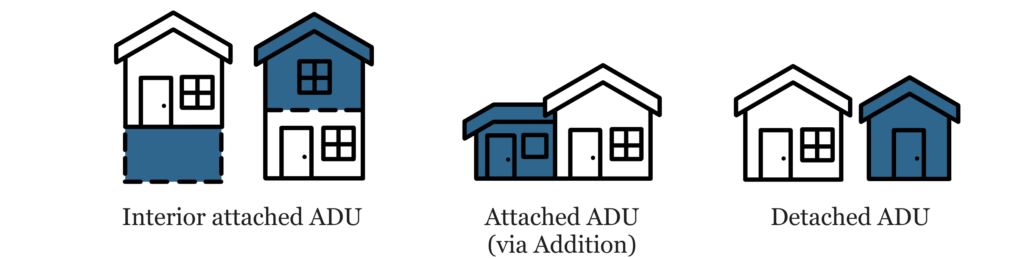
An accessory dwelling unit is a secondary residential living space located on the same property as a primary home. ADUs can be detached structures, additions to an existing home, or converted spaces such as garages or lower levels.
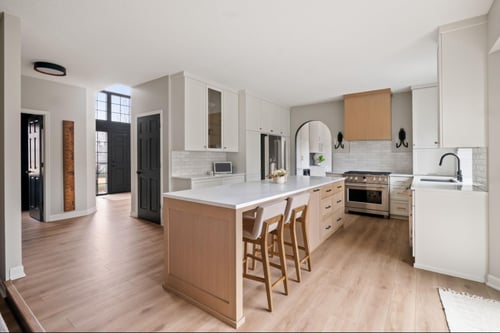
What makes an ADU unique is that it functions as a complete home. Most include:
- A kitchen
- A bathroom
- Living space
- Sleeping area
- Independent access
Because they are designed for everyday living, ADUs are often used to house aging parents, adult children, caregivers, long-term guests, or tenants where local regulations allow.
As more families look for flexible living arrangements, ADUs have become an increasingly popular option for multigenerational living.
Can an ADU Be Attached to the Main House?
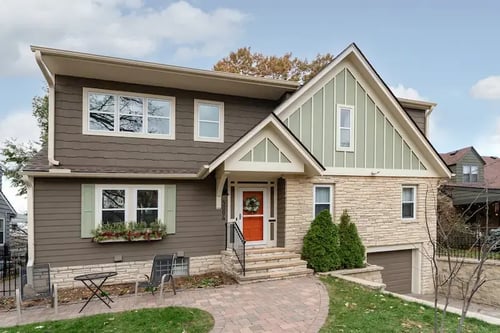
Yes. ADUs can be attached to the main house or detached. The right option depends on the existing home, the size of the lot, and city ordinances. Cities that allow ADUs often have stipulations around the type of ADU that can be built on a property.
Related Content: What is an Accessory Dwelling Unit (ADU)?
What Is a Guest House?
A guest house is a secondary structure designed primarily to accommodate visitors. While some guest houses may resemble small homes, they are often more limited in function.
Many guest houses include:
- A bedroom or sleeping area
- A bathroom
- Basic living space
Some may include a kitchenette, while others do not.
The primary purpose of a guest house is to provide comfortable accommodations for family and friends rather than serve as a fully independent residence.
For homeowners who frequently host out-of-town guests, a guest house can provide privacy and convenience without requiring visitors to stay inside the main home.
The Biggest Differences Between an ADU and a Guest House
While there can be overlap, several factors help distinguish an ADU from a guest house.
Kitchen Requirements
In many jurisdictions, a full kitchen is one of the defining characteristics of an ADU. Guest houses may include a small kitchenette or no cooking facilities at all.
Independent Living
An ADU is designed to support day-to-day living without relying on the main home. Residents can cook, sleep, bathe, and carry out daily routines within the space.
A guest house may provide overnight accommodations but often lacks the features needed for long-term independence.
Long-Term Flexibility
Many homeowners choose ADUs because they can adapt to changing needs over time. A space that serves as housing for college-aged children today could become acaregiver suite, aresidence for aging parents, or a rental property in the future. You can also use an ADU as a guest house if you don’t have occupants living in the space, making it highly adaptable.
Guest houses are generally more specialized and intended primarily for hosting visitors. Because their function is more limited, the options for the space are also more limited.
Rental Opportunities
Depending on local zoning regulations and permitting requirements, ADUs may be eligible for long-term rental use.
Guest houses can typically not be rented as they don’t meet the standards for a rental property.
Should You Build an ADU or a Guest House?
The right choice depends on how you plan to use the space.
An ADU May Be the Better Choice If:
- You want a fully independent living space
- You're planning for aging parents or multigenerational living
- You want flexibility for future needs
- Rental income may be a future consideration
- You want the space to function as a complete residence
A Guest House May Be the Better Choice If:
- The space will primarily be used by visiting friends and family
- You don't need a full kitchen
- The goal is occasional use rather than full-time occupancy
- You want a dedicated retreat for guests
Choosing whether you add on an ADU or guest house comes down to your own needs. Do you often have guests over for the weekend who need a place to sleep and have their own space? Do you intend to rent the space? Do you need extra room for someone in your family permanently? An accessory dwelling unit is ideal for long-term use while a guest house is more practical for short-term purposes.
Which Option Adds More Value?
There is no universal answer because every property and market is different.
In many cases, ADUs provide greater long-term flexibility because they can serve multiple purposes over the life of the home. Buyers often appreciate spaces that can adapt to changing family needs.
Guest houses can also add value, particularly on larger properties where privacy and entertaining are priorities.
The most valuable solution is often the one that aligns with how the property will be used both today and in the years ahead.
Related Content: Do ADUs Add Value to a Home?
Planning an ADU or Guest House in Minnesota
Before moving forward, it's important to understand local zoning requirements, building codes, lot restrictions, and permitting considerations.
Requirements can vary significantly between communities, affecting everything from building size and placement to occupancy and utility connections.
Working with an experienced design-build team early in the planning process can help identify opportunities and avoid costly surprises. Our expert home remodelers at Titus Contracting are your advocates throughout the entire design and remodeling process. We take pride in our work from start to finish, and at the end of the project, you’ll have your perfect ADU.
Call for a design consultation today at 952-746-7817 or contact us online for a project estimate.
Download Now: Discover ADUs
Your Guide to Unlocking Your Home's Potential
Love your home, but need more livable space? Accessory dwelling units (ADUs) may be your answer. These additions combine the best elements of apartment and tiny home living, to create independent spaces on your property.
Accessory dwelling units are perfect for:
- Grandparents/parents who need their own space
- College-age and young adult children living at home
- Adding a fully rentable unit to your property, for extra revenue
Titus Contracting is a full-service remodeling company offering commercial and residential construction. We have an office in Burnsville, Minnesota and work throughout the Twin Cities.